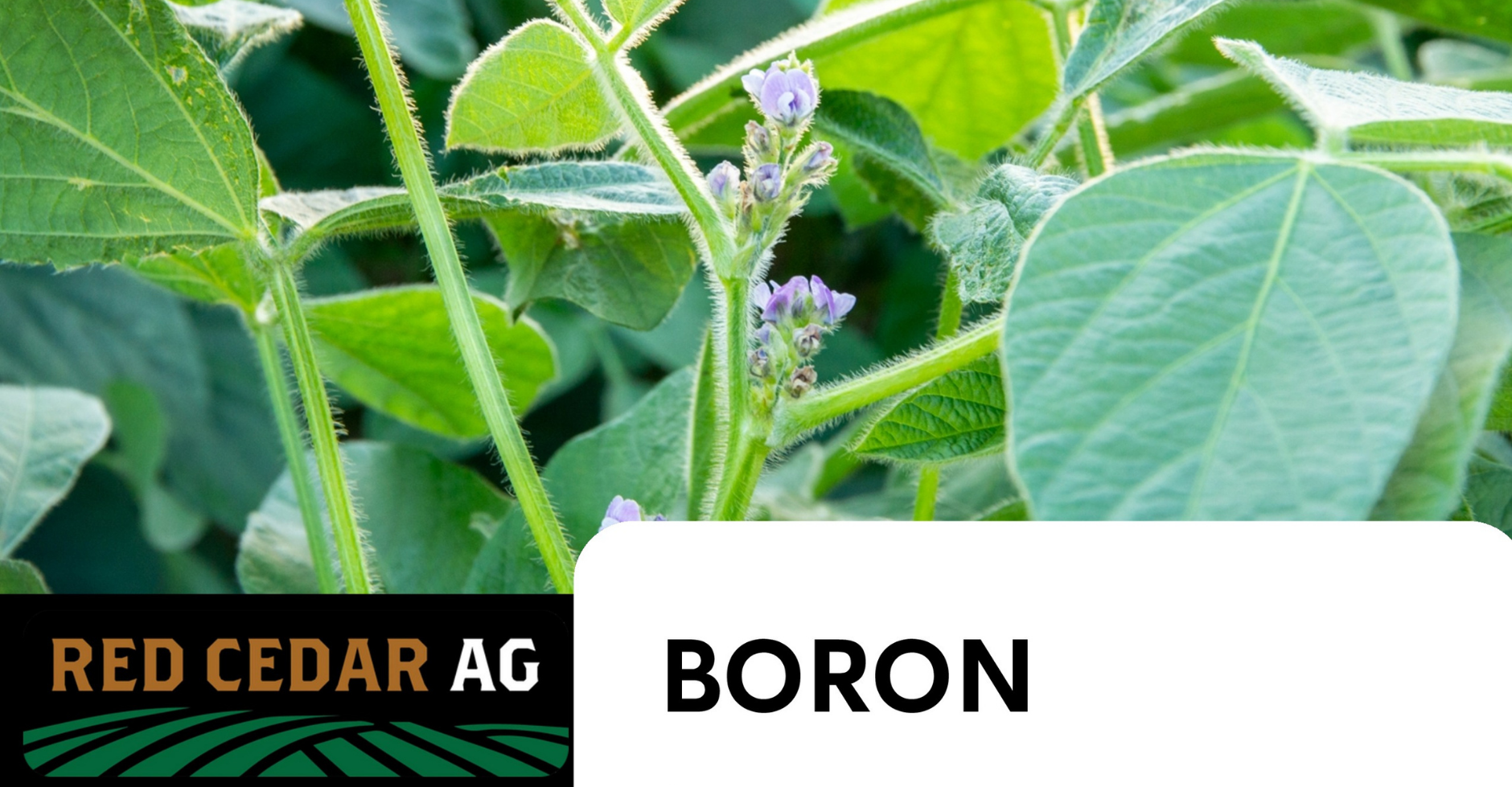
Boron is a highly mobile micronutrient that plays a critical role in plant development. It’s used by the plant in many ways, and when levels are off, the symptoms can show up quickly and impact yield potential.
Why Boron Matters
Boron deficiency can show up in several forms—from low pollen count and reduced flowering to overall plant stunting. When plants don’t have enough boron, reproduction and growth both take a hit.
On the flip side, maintaining optimal boron availability brings a range of benefits. It helps improve the uptake of other key nutrients like calcium (Ca) and phosphorus (P), and it also supports mycorrhizal fungi colonization in the roots—both of which are essential for strong, healthy plants.
Where Deficiencies Show Up
Boron limitation is especially common in soils that experience a lot of leaching—namely low organic matter (OM), sandy, or acidic soils. These conditions make it harder for boron to stick around in the root zone where plants access it.
You may also see boron deficiency paired with environmental stressors, such as extended drought. When plants are already under stress, a lack of boron can further increase plant damage—especially during peak summer conditions.
What We’re Seeing in the Field
Across 18,052 acres, data shows a noticeable shift in boron risk levels year over year:
- High Risk: 22.9% (2024) → 35.3% (2025)
- Moderate Risk: 37.8% (2024) → 41.6% (2025)
- Low Risk: 39.3% (2024) → 23.1% (2025)
This trend highlights a growing need to stay ahead of boron deficiencies before they impact performance in-season. 
Our Solution
CalBor Split Applications
A foliar product designed to effectively deliver a blend of calcium and boron directly into the plant tissues. This approach helps ensure availability when and where the plant needs it most—supporting nutrient balance, plant health, and overall performance.
If you have questions or want to take a closer look at your fields, give us a call at
(715) 658-2767 or reach out at
info@redcedarag.com.