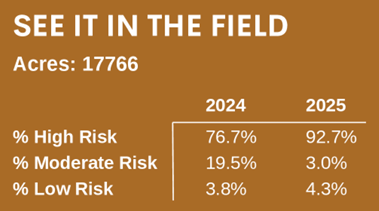
Specialized potassium transport genes and elevated populations of K-solubilizing microbes indicate the soil system is under potassium limitation, even when standard soil tests may not flag a deficiency. This microbial response reflects low exchangeable K, triggering biological mobilization of mineral K to sustain plant and microbial growth.
When these signals appear, looking for a highly available potassium source that directly impacts the crop rather than soil applied is recommended.
Our Solution: NanoBond Ka: Potassium Acetate with Nanotechnology
NanoBond™ Ka by Yield Innovations is a potassium acetate product powered by NanoBond™ 4Z nanotechnology, designed to efficiently build plant potassium levels as part of a The Agronomic Profit System. Because potassium acetate stays soluble with less soil moisture, it can help keep K available in drier conditions compared to traditional potash sources, supporting stronger nutrient uptake and overall plant function. It is positioned for foliar, in-furrow, and UAN applications (2x2, sidedress, Y-drop), with a 0-0-25 analysis derived from potassium acetate.
Contact RCA for more information.